
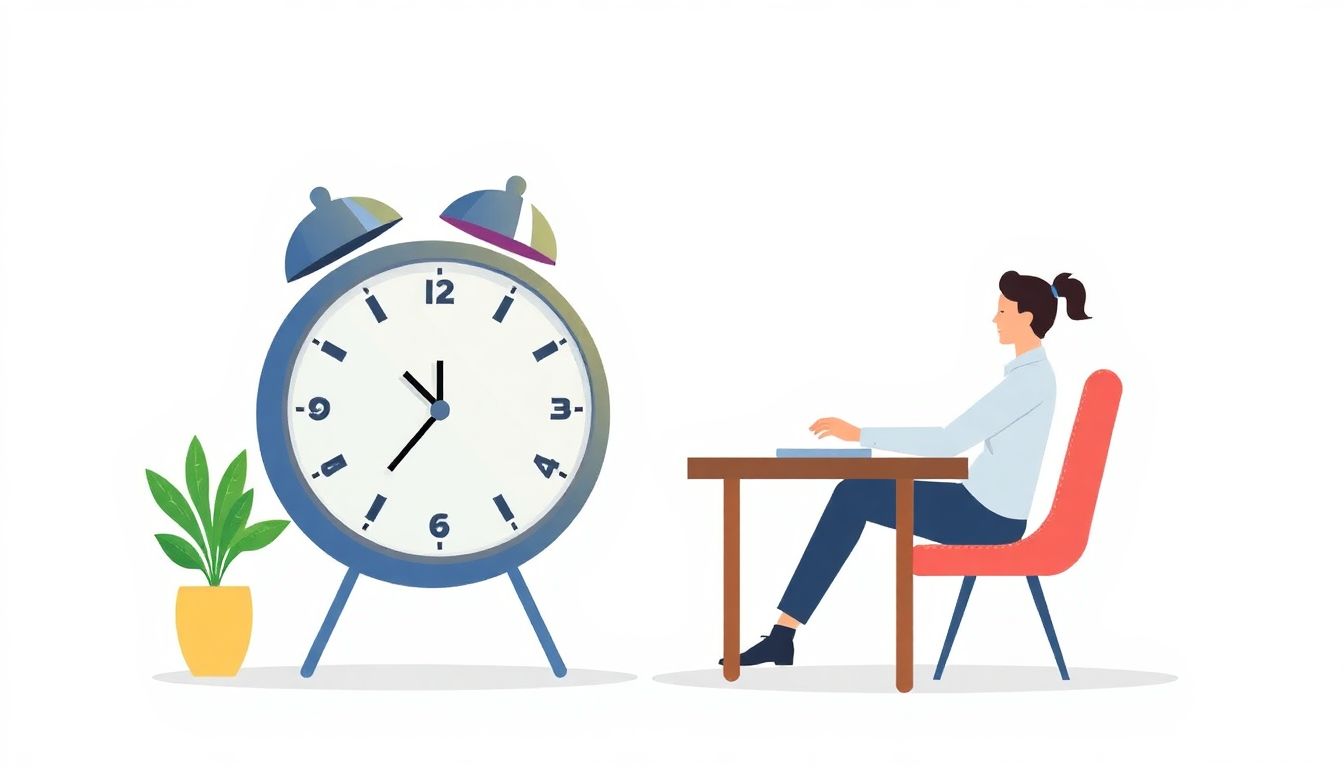
Mastering Productivity: Harness Energy, Not Just Time
You’ve tried it all—color-coded calendars, the Pomodoro technique, and detailed task lists. Yet by 3 PM, you’re staring blankly at your screen, feeling drained and unfocused. The issue isn’t your time management skills; it’s that you’re managing the wrong resource.
The next breakthrough in personal productivity revolves around energy management—strategically cultivating and expending your energy for sustained high performance. Unlike time, energy is a renewable resource.
This approach goes beyond just keeping an eye on the clock. It integrates neuroscience and psychology to provide a holistic framework for work and life. By aligning with your natural energy cycles, you can mitigate burnout, enhance focus, and achieve a more fulfilling sense of productivity. Here’s how.
Emphasizing Energy Over Hours: A Crucial Shift for Professionals
Today’s work environment offers both flexibility and relentless demands. While remote work promises freedom, it often creates an “always-on” culture that can worsen burnout. The problem isn’t a lack of time but a chronic depletion of energy reserves.
Time-centric methods treat every hour as equal, leading to over-scheduling and multitasking, which only fragments attention and drains mental energy. We cram complex tasks into short time slots and then wonder why we struggle.
An energy-centered strategy acknowledges that our work capacity fluctuates. By aligning demanding tasks with your peak energy periods, you work with your biology rather than against it, breaking the cycle of constant busyness while achieving sustainable output.
The Science Behind Energy: Unlocking Productivity Through Brain and Body
At its core, energy management is a science. Our ability to focus, create, and solve problems depends on complex biological and psychological systems.
Neuroscience shows that high-focus tasks, or “deep work,” consume significant amounts of glucose and oxygen in the prefrontal cortex, leading to mental fatigue. Circadian rhythms govern our alertness, with most adults peaking analytically in the morning, dipping in the afternoon, and experiencing a creative surge later in the day.
Psychology expands this model into four energy types:
- Physical: Health driven by sleep, nutrition, and fitness.
- Mental: Focus, problem-solving, and information processing.
- Emotional: Resilience, empathy, and emotional regulation.
- Spiritual: Connection to purpose, values, and meaning.
Deficits in one area can drain others—poor sleep (physical) impairs focus (mental), while workplace conflict (emotional) disrupts your sense of purpose (spiritual).
Balancing Time and Energy Management: Harness Both for Success
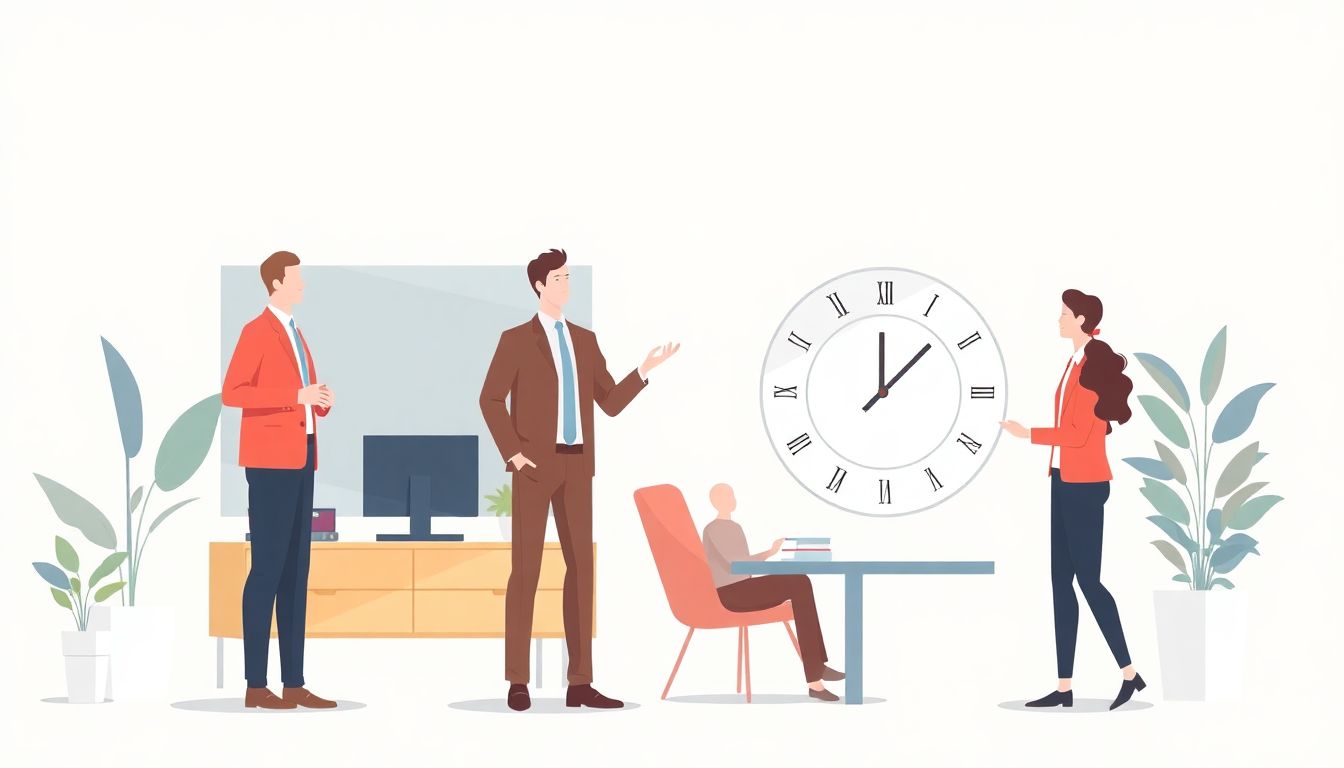
While time management and energy management may seem at odds, they are actually complementary. Understanding when to use each is essential.
Time management excels at creating structure—techniques like time blocking define the frame for your work. Energy management, on the other hand, determines the task’s intensity within that frame. For instance, while time management might allocate “Write report” from 2-4 PM, an energy-based approach considers whether that’s your peak time for analytical writing. If not, swap it for a lower-energy task and move the report writing to a high-energy window.
The best strategy combines both: use time management to organize your day, but let energy management dictate which tasks to prioritize.
Identifying Peak Energy Cycles: Leverage Your Natural Rhythms
To manage energy effectively, you first need to identify your personal energy patterns. No bio-hacking required—a simple audit will do.
For a week, set reminders every 90 minutes to rate:
- Focus: Ease of concentration on a single task.
- Alertness: How awake and sharp you feel.
- Creativity: Ease of generating new ideas.
- Motivation: Willingness to tackle challenging tasks.
Log your scores in a journal, spreadsheet, or app. Patterns will emerge. You might discover you’re an early “lark” peaking from 9-11 AM or a “night owl” whose creativity thrives after dinner. Use these patterns as your productivity roadmap.
Daily Strategies to Optimize Physical, Mental, Emotional, and Spiritual Energy
Once you understand your energy landscape, integrate targeted energy management techniques into your routine to protect and renew your reserves.
Physical Energy:
- Prioritize Sleep: Aim for 7-9 hours of quality sleep. Disconnect an hour before bed to aid melatonin production.
- Smart Fuel: Avoid sugar spikes. Choose complex carbs, protein, and healthy fats for sustained energy. Stay hydrated.
- Move Often: Take short walks, stretch, or do jumping jacks every 90 minutes to boost brain blood flow.
Mental Energy:
- Single-Task: Multitasking depletes energy. Focus on one task at a time.
- Block Deep Work: Schedule 90-120 minute blocks for demanding tasks during peak energy times, and protect that time fiercely.
- Strategic Disconnection: Close distractions and signal focus blocks to colleagues.
Emotional Energy:
- Set Boundaries: Say “no” to draining requests. Protect your time and emotional bandwidth.
- Transition Rituals: Mark the end of your workday with a 5-minute ritual or a walk to mentally disconnect.
Spiritual Energy:
- Purpose Alignment: Start the day by reviewing your major goals. Remembering your “why” boosts motivation.
- Focus on Control: Acknowledge stressors but concentrate on actionable tasks within your control.
Align Tasks with Energy Levels for Enhanced Productivity
Intelligent task prioritization is a powerful application of energy management. Instead of a deadline-driven to-do list, organize tasks by their energy requirements.
Create a simple energy-task matrix:
- High-Energy Tasks: Strategic planning, creative brainstorming, complex coding, difficult conversations. Schedule these during your prime times.
- Medium-Energy Tasks: Meetings, important emails, feedback, routine problem-solving. Fit these mid-morning or mid-afternoon.
- Low-Energy Tasks: Admin work, file organizing, inbox clearing. Tackle these during energy dips, like the post-lunch slump.
Match each task to your energy levels, ensuring optimal energy is spent on important work, enhancing your effectiveness beyond a chronological list.
Sample Energy-Based Workday Templates for Various Roles
Wondering how this looks in practice? Here are templates you can adapt according to your personal energy profile and job duties.
Knowledge Worker (e.g., Developer, Writer):
- 9:00 AM – 11:00 AM (High Energy): Deep work. No meetings. Focus solely on key tasks.
- 11:00 AM – 1:00 PM (Medium Energy): Collaborative work—team syncs, code reviews, important messages.
- 1:00 PM – 2:00 PM: Lunch and a real break.
- 2:00 PM – 3:00 PM (Low Energy): Admin block—email, planning, paperwork.
- 3:00 PM – 4:30 PM (Rising Energy): Secondary creative block—side projects, skill development, less-demanding creative tasks.
Manager (Client-Facing Role):
- 9:00 AM – 10:00 AM (Medium Energy): Team check-in, daily planning.
- 10:00 AM – 12:00 PM (High Energy): Strategic tasks—planning, client negotiations, performance reviews.
- 12:00 PM – 2:30 PM: Client meetings and lunch.
- 2:30 PM – 4:00 PM (Low to Medium Energy): Follow-ups—email responses, delegation, updates.
- 4:00 PM – 5:00 PM: Prepare for the next day, shutdown ritual.
Preventing Burnout and Upholding Work-Life Balance Through Energy Management
Burnout prevention isn’t about working less but recovering more. An energy-centric approach integrates recovery into your day. Short breaks, proper lunches, and clear end-of-day rituals aren’t just luxuries; they’re essential.
Treat energy as a primary resource to recognize early signs of depletion, such as irritability, procrastination, and brain fog. Instead of pushing through with caffeine, respond with strategic breaks or low-demand tasks. This proactive recovery is crucial to avoiding burnout and maintaining a healthy work-life balance.
7-Day Starter Plan: Transition from Time to Energy Management
Ready to make the switch? Use this simple plan for a week-long energy management implementation.
- Day 1-2: Audit. Track energy, focus, and mood at 90-minute intervals. Just observe for now.
- Day 3: Analyze & Map. Review your data. Identify your energy windows. Align tasks with the energy-task matrix.
- Day 4: Design Your Ideal Day. Create a realistic schedule that aligns tasks with your peak energy windows.
- Day 5-6: Experiment. Follow the new schedule. Note differences in focus and output.
- Day 7: Review & Refine. Adjust based on what worked and what didn’t. Aim for continuous improvement.
Start Managing Energy Today to Boost Productivity and Prevent Burnout
The relentless pursuit of productivity has often led to diminishing returns. The solution isn’t just another app or a time management tweak. It’s about shifting your perspective: manage your energy, not just the clock. By understanding and working with your natural rhythms, you can unlock a focused, sustainable, and effective way of working.
Frequently Asked Questions
What is the difference between time management and energy management?
Time management schedules hours; energy management aligns tasks with physical, mental, emotional, and spiritual energy for improved focus and reduced burnout.
How do I identify my peak energy periods?
Track your alertness, focus, and mood for 1–2 weeks using a journal or app to reveal high- and low-energy windows.
What techniques boost energy for demanding tasks?
Take short movement breaks, hydrate, work during your peak energy times, and remove distractions to enhance your energy window.
Can energy management help prevent burnout?
Yes. Aligning work with energy cycles, practicing recovery rituals, and reducing overextension can mitigate the risk of burnout.