
Mastering Energy Management: The Secret to Sustainable Productivity and Burnout Prevention
Why Energy Management Triumphs Over Traditional Time Management
Many people think time management is the key to getting things done. They try to use every minute well. But this often makes things worse. Now, more people see that energy management is important.
Energy management focuses on how much energy we have for each task. Managing our energy helps us work better and feel less tired.
Defining Energy Management: The Distinct Difference from Time Management
Energy management is about using your energy wisely. It looks at your natural patterns rather than just keeping track of time.
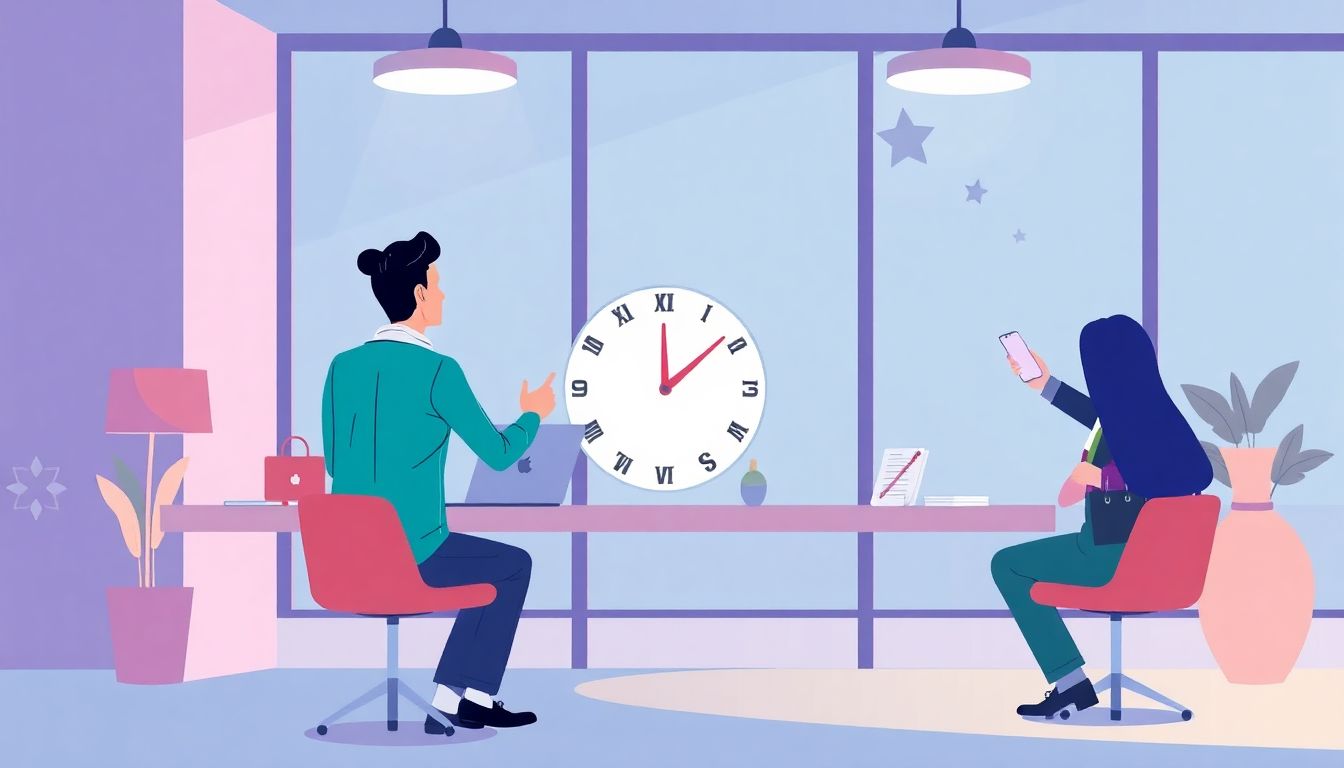
Time management tries to use every second. Energy management, however, focuses on using your energy effectively. Our energy changes during the day. Knowing this can help you perform better and feel good.
Harnessing Circadian and Ultradian Rhythms to Optimize Energy Levels
Understanding your body’s rhythms is important for energy management. Circadian rhythms affect when we sleep and wake up. Ultradian rhythms involve shorter bursts of activity and rest.
By planning tasks when your energy is high, you can work better. Take breaks when your energy dips. This helps you stay focused and not waste energy. Recognizing these cycles is crucial for good performance.
Practical Energy Management Techniques for Everyday Success
Using smart energy management tips can change your workday. Time blocking means doing tasks when your energy is highest. Find out when you feel most awake and use that time for tough projects.
Task batching lets you do similar activities together. This saves mental energy. Decide which tasks need more energy. Do harder tasks when you’re alert, and save easier ones for when you’re tired. Taking breaks for meditation or deep breaths helps recharge your energy.
Combatting Burnout and Enhancing Well-Being Through Energy Management
Burnout happens when people are stressed and overworked. Traditional time management can make this worse. Symptoms include tiredness and less interest in work. Energy management helps stop this by promoting balanced work habits.
This method encourages you to know your limits. It’s important to take regular breaks. By focusing on your feelings and mental health, energy management leads to a happier work life.
Achieving Work-Life Balance through Energy Management
Energy management helps not just at work but also in life. By matching your tasks to your energy levels, you can do well at work and still have time for fun.
Create plans that mix work with personal activities. Set boundaries, take breaks, and enjoy hobbies. This balance boosts your spirit.
Embrace Energy Management for Sustainable Productivity and Wellness
Energy management is a strong alternative to traditional time management. It helps you work well while taking care of yourself. Remember to match your tasks to your energy, take breaks, and practice mindfulness.
Try different habits and see what works for you. Check how you feel throughout the day. Embrace energy management to live a balanced and happy life.
FAQ Section
-
What is energy management?
Energy management is about organizing your tasks based on your energy levels instead of just time.
-
How does energy management improve productivity?
By doing work when your energy is high, you stay productive and focused.
-
Can energy management help prevent burnout?
Yes, it helps by managing stress and encouraging breaks to avoid exhaustion.
-
What are some effective energy management techniques?
Good techniques include time blocking, task batching, and taking mindful breaks.
-
How does energy management support work-life balance?
It helps you use your energy wisely, making it easier to enjoy both work and personal time.