

Mastering Energy Management: Elevate Your Productivity and Combat Burnout
Why Energy Management Trumps Time Management for Modern Professionals
Have you ever looked at a color-coded calendar and felt stuck when it was time to work? This shows a shift: energy management is becoming more important than simply managing time. Instead of focusing on every minute, this approach helps you make the most of your physical, mental, and emotional energy.
When you prioritize energy management, you can see big changes. You get more done each day, lower your chances of burnout, and find a healthier work-life balance. It’s not about working longer hours; it’s about getting more value from the hours you do work.
This article will explore a practical way to improve your workflow. By matching your energy levels with the right tools, you can create a system that fits your body.
Understanding Energy Management: A Shift from Time Management
To really understand energy management, think beyond the clock. Time management tells you when to do tasks; energy management shows you how to fuel those tasks by managing your physical, mental, and emotional energy.
This method respects your body’s natural rhythms. It understands that mental tiredness happens and that your energy changes throughout the day.
When you do your hardest work during your most energetic times, you get better results. By focusing on energy, you can apply your best thinking to important projects, leading to better performance and well-being.
Key Differences Between Energy Management and Time Management
The discussion about time management versus energy management depends on your goals. Time management focuses on strict schedules, thinking all hours are the same. Energy management cares about the quality of your work. It knows that an hour of focused work at 9:00 AM produces more than the same hour at 3:00 PM.
Think about popular time management techniques like time blocking or the Pomodoro method. From a time-management view, you might put aside two hours for plans right after lunch. But from an energy management view, you’d do that heavy thinking in the morning and save easier tasks for the afternoon.
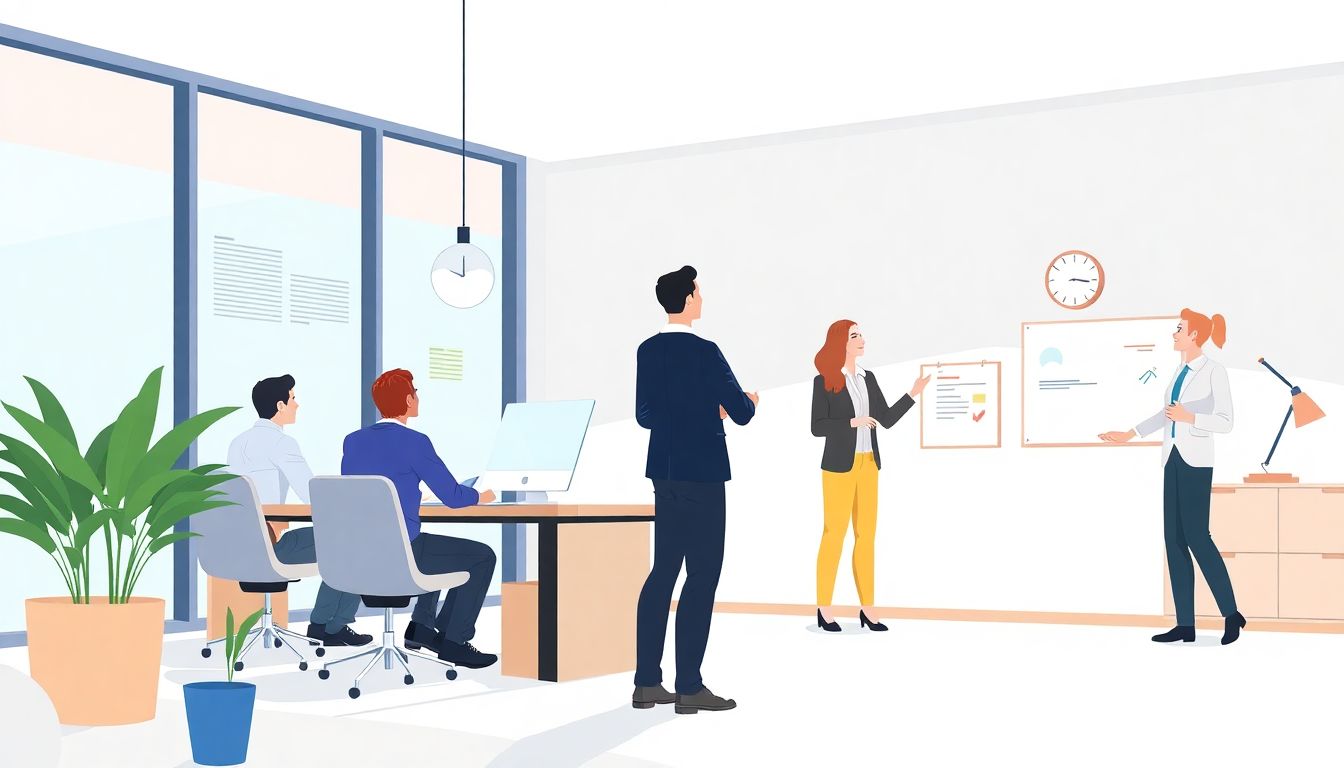
A combination often works best. Use time management to set up your day, but let your energy levels decide which tasks to do when.
Identifying Your Unique Energy Patterns
To make the most of your day, start by finding out your energy patterns. Keeping an energy diary is a simple method. For one week, write down your focus and mood every two hours.
Look for signs like how clear your mind is, how strong your body feels, and your emotions. Are you sharper after your morning coffee? Do you feel foggy in the afternoon? Tracking these changes will help you find your best hours.
You can enhance this process with data. Use color-coded notes in your digital calendar or smart tools to gain insights. Analyzing this information helps you understand your daily energy rhythms.
Effective Energy Management Strategies to Enhance Productivity
Using energy management strategies means adjusting your day based on what you’ve learned about your energy. The idea is simple: save hard tasks for when you have high energy and do simpler work when your energy dips.
Besides scheduling, small tricks can boost your productivity. Group similar tasks to avoid wasting energy. Stay hydrated and eat well to keep your energy steady. Try quick exercises, like stretching, to boost your stamina.
Recovery is also key. Instead of reaching for caffeine during a slump, take smart breaks. A 15-minute nap, some deep breaths, or a short walk can recharge you better than staring at a screen.
Think about a well-structured schedule: work on deep tasks in the morning, enjoy a healthy lunch and some movement, then do simple tasks in the afternoon.
Integrating Energy Management with Tools and Data
Technology can really help professionals improve how they work. Tools for energy optimization can turn feelings of tiredness into useful data. Use calendars and website blockers to protect your best energy times instead of just filling up any free slots.
Wearable devices like Oura rings or Apple Watches give great insights by tracking sleep, resting heart rate, and heart rate variability. Combining this information with screen-time data gives a full view of your daily readiness.
You can even set up your devices to create a better work environment. Set your devices to Focus Mode and Do Not Disturb during your peak times. By merging wearables with your calendar into a personal digital dashboard, you can let data inform your daily plan.
How Energy Management Prevents Burnout and Enhances Work-Life Balance
Chronic stress often comes from pushing your brain too hard when it’s already tired. Focusing on pacing and recovery makes energy management a strong way to stop burnout.
Setting clear boundaries based on your energy helps avoid overcommitment. When you limit tasks based on your energy, it sets realistic expectations, lowering daily stress.
Moreover, doing tough work when your energy is high helps you finish tasks faster and with better quality. This efficiency improves your work-life balance. Instead of working late into the night, you can finish on time, giving you more time for yourself and rest.
Common Misconceptions About Energy Management
Even though it’s gaining popularity, some misunderstand energy management. Some think it’s just a trend or that you need expensive tools for it.
In truth, simple tracking methods—like pen and paper—can be very effective. Also, taking breaks during low-energy times isn’t laziness; it’s a clever way to use your energy wisely.
Quick 7-Day Plan to Start Managing Your Energy
Wondering how to switch from time management to energy management? Here’s a simple 7-day plan. On Days 1 and 2, keep track of your tasks and energy changes. On Days 3 and 4, match your peak energy with important tasks and try new timings.
On Days 5 and 6, start using small recovery techniques and keep short notes with a habit tracker. Finally, on Day 7, look over your results to create a weekly schedule based on your energy.
Frequently Asked Questions
What distinguishes time management from energy management?
Time management schedules minutes; energy management aligns tasks with physical, mental, and emotional energy for better quality and sustainability.
How can I identify my personal energy patterns?
Track your focus, mood, and stamina for a week using a diary or wearable data, then map your peak and low-energy times.
What quick strategies can boost energy during the workday?
Take short breaks, move around, stay hydrated, group similar tasks, and do high-focus work when your energy is at its best.
Can energy management help prevent burnout?
Absolutely. By scheduling recovery, pacing your work, and aligning tasks with your energy, you lower stress and exhaustion.
Stepping away from strict time limits allows you to work in a more flexible way. When you align with your natural rhythms, you set yourself up for lasting success. This approach is key in personal development, helping you reach your best while staying healthy and happy.