

Master Productivity: Transform Time Management into Energy Management
Have you meticulously time-blocked your calendar, perfected the Pomodoro technique, and organized your tasks with military precision—only to find yourself staring blankly at your screen by 3 PM, utterly drained? The issue isn’t time management; it’s that you’re managing the wrong resource.
The next frontier in personal productivity isn’t about cramming more into each hour; it’s about energy management—the strategic cultivation and expenditure of your energy for sustainable high performance. Unlike time, which is finite and fixed, energy is renewable.
This approach transcends the clock, incorporating insights from neuroscience and psychology to create a comprehensive framework for work and life. By aligning with your natural energy cycles, you can reduce burnout, enhance focus, and achieve a fulfilling sense of productivity. This article will guide you through the process.
Why Energy Management is Essential for Professionals
The modern work landscape presents a paradox of flexibility and relentless demand. While remote work and digital tools promise freedom, they often foster an “always-on” culture that leads to burnout. Rising burnout rates stem not from a lack of time but from the chronic depletion of our energy reserves.
Traditional time-centric approaches often worsen the problem, treating every hour as equal and encouraging over-scheduling and multitasking. This fragmentation drains our mental energy, leading us to cram complex tasks into short time slots and wonder why we make no progress.
An energy-focused strategy recognizes a fundamental truth: our capacity to work is not linear but cyclical. By aligning demanding tasks with peak energy periods, we work with our biology rather than against it. This shift is crucial for escaping the cycle of frantic busyness and achieving genuine, sustainable output.
The Neuroscience and Psychology Behind Energy Management
At its core, energy management is grounded in science. Our ability to focus, create, and solve problems hinges on complex biological and psychological systems. Understanding these systems is essential for mastering productivity.
Research reveals that high-focus tasks, or “deep work,” deplete glucose and oxygen in the prefrontal cortex. Sustained focus leads to mental fatigue as neurotransmitter levels drop, which is why you can’t simply will yourself to concentrate for eight straight hours. Our bodies also follow circadian rhythms, regulating alertness and sleepiness throughout the day. Most adults experience peak analytical alertness in the morning, a dip in the early afternoon, and a secondary peak in creative energy later in the day.
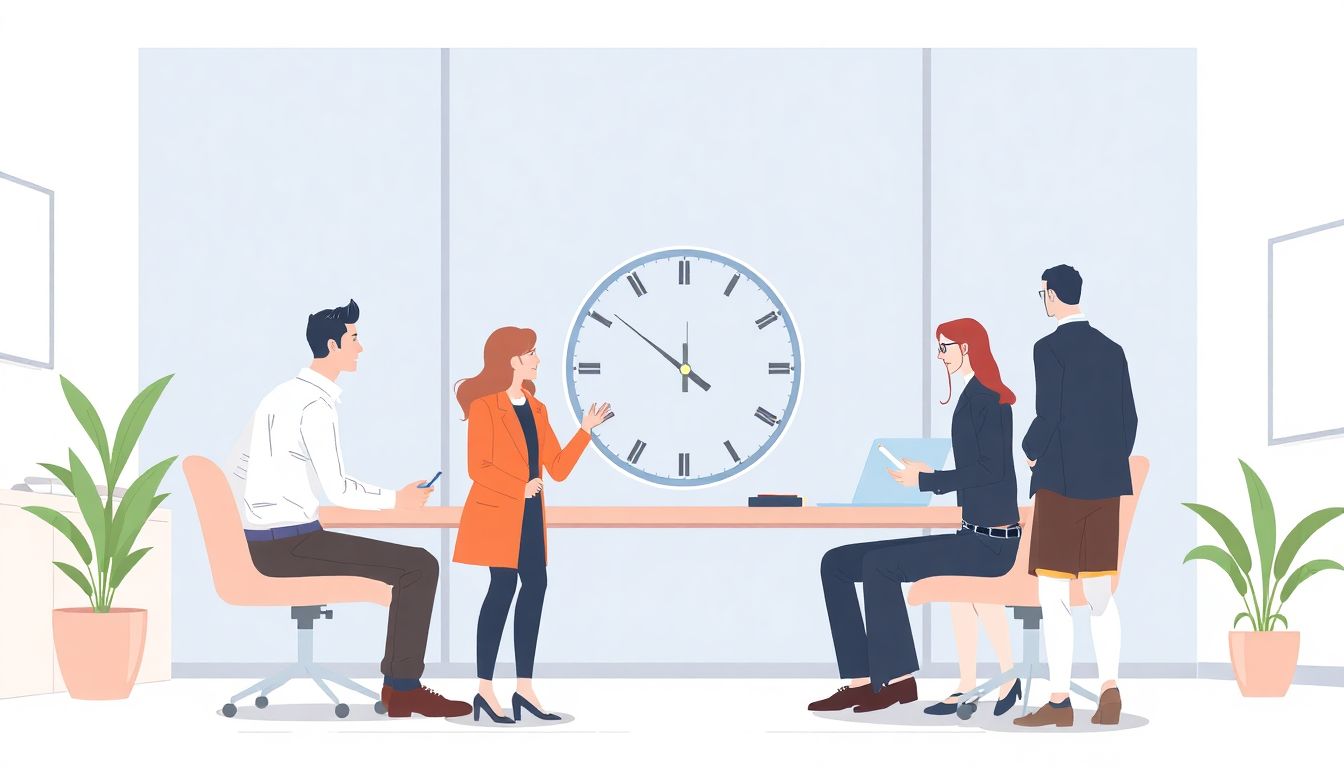
Psychology further categorizes energy into four interconnected types:
- Physical: Driven by sleep, nutrition, and fitness.
- Mental: Governing focus, problem-solving, and information processing.
- Emotional: Encompassing resilience, empathy, and emotional regulation.
- Spiritual: Connecting to purpose, values, and meaning.
A deficit in one area drains the others. Poor sleep (physical) impairs focus (mental), while interpersonal conflicts (emotional) can disconnect you from your work’s purpose (spiritual).
Time Management vs. Energy Management: Which to Use and When
Although they may seem opposing, time management and energy management are complementary tools. The key lies in knowing when to use each.
Time management excels at creating structure. Techniques like time blocking effectively define the container for your work, allocating specific hours to your priorities.
Conversely, energy management determines what you put inside that container. It ensures tasks match your available energy levels. For instance, a time-based approach may schedule “Write report” for 2-4 PM. An energy-based approach would ask, “Is 2 PM my peak time for analytical writing?” If not, it would swap that block with a low-energy task like answering emails and move report writing to a high-energy window at 9 AM.
The most effective system integrates both: use time management to frame your day, but employ energy management to allocate tasks.
Identifying Your Peak Energy Cycles
You can’t manage what you don’t measure. The first step is to identify your unique energy patterns. This doesn’t require complex bio-hacking; a simple one-to-two-week audit often suffices.
Over the next week, set reminders every 90 minutes to assess your energy. Rate your:
- Focus: How easy is it to concentrate?
- Alertness: How awake and sharp do you feel?
- Creativity: How easily can you generate new ideas?
- Motivation: How willing are you to tackle challenging tasks?
Log your scores in a journal, spreadsheet, or app. Within days, you’ll start uncovering patterns. You might find you’re a classic “lark” with peak analytical energy from 9-11 AM or a “night owl” whose creative genius peaks after dinner. These patterns form your personal productivity roadmap.
Techniques to Optimize Your Energy Types
Once you understand your energy landscape, implement targeted energy management techniques to protect and renew your reserves throughout your daily routine.
Physical Energy:
- Prioritize Sleep: Aim for 7-9 hours of quality sleep. Disconnect from screens an hour before bed to promote melatonin production.
- Eat Wisely: Avoid sugar spikes. Choose complex carbs, proteins, and healthy fats for sustained energy. Stay hydrated.
- Move Regularly: Step away from your desk every 90 minutes for a short walk, stretches, or jumping jacks to boost brain blood flow.
Mental Energy:
- Single-Tasking: Multitasking depletes mental energy. Focus on one task at a time.
- Schedule Deep Work: Allocate 90-120 minute blocks for demanding tasks during peak energy times. Protect this time firmly.
- Strategic Disconnection: Close unused tabs, mute notifications, and signal to colleagues when you’re in a focus block.
Emotional Energy:
- Set Boundaries: Learn to say “no” to draining requests that lack value. Safeguard your emotional bandwidth.
- Transition Rituals: Create a small ritual to mark the end of your workday, such as a brief tidy-up or a walk. This helps you disconnect mentally.
Spiritual Energy:
- Align with Purpose: Start each day by reviewing your most important goals. Remembering the “why” behind your work is a powerful motivator.
- Focus on Control: Acknowledge stressors but direct your energy towards tasks and outcomes you can influence.
Aligning Tasks with Energy Levels for Enhanced Productivity
The most potent application of energy management lies in intelligent task prioritization. Instead of a to-do list based purely on deadlines, categorize tasks by the type and amount of energy they require.
Create an energy-task matrix:
- High-Energy Tasks (Peak Focus): Strategic planning, creative brainstorming, writing, difficult conversations, decision-making. Schedule these during your prime time.
- Medium-Energy Tasks (Cruising Altitude): Collaborative meetings, responding to emails, giving feedback. These fit well in the late morning or mid-afternoon.
- Low-Energy Tasks (Autopilot): Administrative work, organizing files, clearing your inbox. Batch these together during energy dips, like the post-lunch slump.
By matching tasks to your energy levels, you ensure your best energy is spent on critical work, enhancing your effectiveness compared to merely working through a chronological list.
Sample Energy-Based Workday Templates
How does this look in practice? Here are two sample templates, which you should adapt to your energy profile and job demands.
Template for a Knowledge Worker (e.g., Developer, Writer):
- 9:00 AM – 11:00 AM (High Energy): Deep work block. No meetings, no emails. Focus on the most important task.
- 11:00 AM – 1:00 PM (Medium Energy): Collaborative work. Team syncs, code reviews, important messages.
- 1:00 PM – 2:00 PM: Lunch and a real break (walk outside).
- 2:00 PM – 3:00 PM (Low Energy): Admin block. Process inbox, plan for tomorrow, handle paperwork.
- 3:00 PM – 4:30 PM (Rising Energy): Secondary creative/learning block. Work on a side project or engage in less-demanding creative tasks.
Template for a Manager (Client-Facing Role):
- 9:00 AM – 10:00 AM (Medium Energy): Team check-in and daily planning.
- 10:00 AM – 12:00 PM (High Energy): Strategic block. Work on planning, client negotiations, or performance reviews.
- 12:00 PM – 2:30 PM: Client meetings and lunch.
- 2:30 PM – 4:00 PM (Low to Medium Energy): Follow-ups. Respond to emails, delegate, and update project management tools.
- 4:00 PM – 5:00 PM: Prepare for the next day and perform a shutdown ritual.
Preventing Burnout and Supporting Work-Life Balance with Energy Management
Burnout prevention isn’t about working less; it’s about recovering more. An energy-centric approach integrates recovery into your workday. Short breaks between focus sprints, proper lunch breaks, and clear end-of-day rituals are essential for sustainability.
By prioritizing energy as your main resource, you attune yourself to early warning signs of depletion—irritability, procrastination, brain fog. Instead of relying on more caffeine, you learn to respond with strategic breaks, healthy