

“`html
Master Energy Management: Maximize Productivity and Combat Burnout
Why Energy Management is Better Than Time Management
Have you ever felt lost staring at a packed calendar? Many people experience this daily. This feeling shows that we need to shift from just managing time to managing energy, which is crucial for productivity today. Rather than focusing on every minute, we should concentrate on improving our physical, mental, and emotional strengths.
By concentrating on energy management, you can change how you work, boost daily productivity, and lower the risk of burnout. It’s not about filling your day with more hours; it’s about getting the best results from the hours you do work.
This article offers a straightforward guide to mastering your workflow. By combining your body’s natural rhythms with modern tools, you can create a system that fits your energy patterns.
Understanding Energy Management: Moving Away from Time Management
Energy management goes beyond the clock. While time management defines when tasks are done, energy management focuses on how to energize those tasks by managing your physical, mental, and emotional resources.
This system respects how your body naturally works, recognizing that mental fatigue and energy levels change throughout the day.
Match your tougher tasks with your peak energy times to improve your work output. By focusing on energy, you can handle important projects with more clarity, helping both your performance and well-being.
Energy Management vs. Time Management: Main Differences and Applications
The main difference between energy management and time management lies in your goal. Time management follows a strict schedule, treating all hours the same. In contrast, energy management improves the quality of your work, as an hour spent on a task at 9:00 AM feels different from the same hour at 3:00 PM.
Using traditional time management techniques, like time blocking or the Pomodoro method, you might set aside two hours after lunch for planning. In an energy management approach, you would aim to do that planning during your morning peak, leaving the less demanding tasks for after lunch.
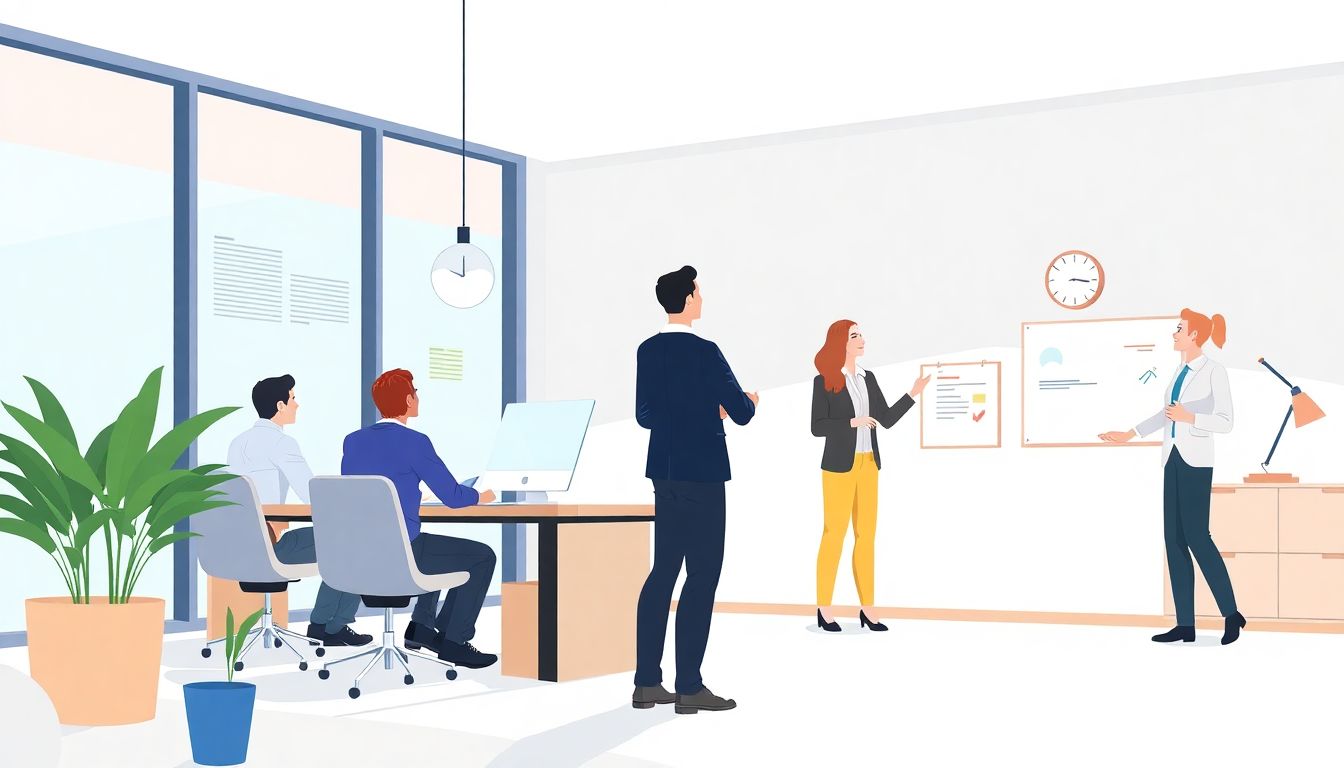
A combined approach works well. Use time management to structure your day, but let your energy levels guide which tasks fit those time slots.
Finding Your Energy Patterns
To make the most of your day, start by identifying your unique energy patterns. Keep an energy journal for a week to note your focus and mood every two hours.
Track important factors like mental sharpness, physical energy, and emotional state. Are you alert after your morning coffee? Does your mind feel foggy after lunch? Noting these trends can help you see your peak hours.
Enhance this by adding color-coded notes to your calendar or using data from wearables and productivity tools. Analyzing this data helps you understand your daily biological rhythms.
Simple Energy Management Tips for Better Productivity
To use energy management effectively, design your day around the energy data you’ve gathered. The main idea is clear: save high-focus tasks for when your energy is highest and schedule easier work for when it dips.
Use small strategies to boost your productivity. Group similar tasks together to lessen the effort from changing gears, and stay hydrated and well-nourished to keep your energy steady. Short bursts of activity, like stretching between calls, can also refresh your stamina.
Rest is just as important. Instead of reaching for caffeine during an afternoon slump, take a structured break. A 15-minute nap, some deep breaths, or a brief walk can recharge you better than staring at a screen.
For instance, consider a schedule where you do deep work in the morning—like writing or coding—followed by a healthy lunch and some movement. The afternoon could then be for lighter tasks, matching your natural energy drops.
Using Technology to Support Energy Management
Utilize technology to fine-tune your routines and enhance energy management. Good tools can turn feelings of fatigue into useful data. Start with basic calendars and website blockers to protect your peak energy times.
Devices like Oura rings or Apple Watches provide useful insights by tracking your sleep quality and heart rate. Combining this biological data with how much time you spend on screens gives you a complete view of your daily readiness.
Make your environment work for you with this data. Set your devices to enable Focus Mode and limit distractions during peak energy times. By merging your wearable data with your calendar in a custom dashboard, you can plan your day wisely.
How Energy Management Helps Reduce Burnout and Improve Work-Life Balance
Regular stress comes from pushing for high performance without taking breaks. By focusing on pacing and intentional rest, energy management becomes a strong method for avoiding burnout.
Set boundaries based on your true energy levels to steer clear of overcommitting. When you define task limits based on your energy, you establish realistic expectations for yourself and your team, which can lower daily stress.
Moreover, doing tough tasks during peak energy can increase both speed and accuracy. This efficiency helps balance your work and personal life, allowing you to finish your workday and enjoy free time without the worry of unfinished tasks.
Common Myths About Energy Management
Many misunderstand energy management. Some see it as a passing trend or believe it needs expensive tools.
In truth, simple tracking methods—like using pen and paper—can be very effective. Resting during low-energy times is not laziness; it’s a smart way to save your most important resource.
A Quick 7-Day Energy Management Plan
Are you ready to shift from time management to energy management? Follow this easy 7-day plan:
- Days 1 and 2: Keep track of tasks and energy changes.
- Days 3 and 4: Align your peak energy times with priority tasks and try new schedules.
- Days 5 and 6: Add quick recovery practices and record brief notes.
- Day 7: Analyze your results to create a steady, energy-based schedule for the week.
Frequently Asked Questions
What is the difference between time management and energy management?
Time management focuses on scheduling minutes; energy management aligns tasks with your energy for improved results.
How can I discover my personal energy patterns?
Track your focus, mood, and stamina for a week using a journal or wearable, then determine your high and low-energy times.
What quick strategies can I use to boost energy during the day?
Take short breaks, move around, hydrate, group tasks together, and schedule hard work for your peak energy times.
Can energy management help in preventing burnout?
Yes. By combining recovery, pacing work, and matching tasks with energy, you reduce stress and fatigue significantly.
Stepping away from strict time limits allows for a more flexible work style. Tuning into your natural energy patterns supports ongoing success while maintaining well-being. Applying these ideas is essential for modern personal growth, helping you reach top performance and enjoy lasting health and happiness.
“`