

Mastering Energy Management: Elevate Your Productivity and Combat Burnout
Why Energy Management Trumps Time Management for Modern Professionals
Have you ever found yourself staring at a color-coded calendar and feeling stuck when it comes to answering emails? This reflects a shift: energy management is becoming the new gold standard for productivity. Instead of focusing on every minute, this approach aims to maximize your physical, mental, and emotional energy.
By prioritizing energy management, you unlock great results. You boost daily productivity, lower your risk of burnout, and create a healthier work-life balance. It’s not about cramming more hours into your day; it’s about getting more value from the hours you do work.
In this article, we will explore a practical, data-driven approach to mastering your workflow. By syncing your biological rhythms with productivity tools, you can create a system that works with your body.
Understanding Energy Management: A Shift from Time Management
To grasp energy management, look beyond the clock. Time management tells you when to tackle tasks, while energy management focuses on how to fuel those tasks by managing your physical, mental, and emotional reserves.
This method honors your body’s natural rhythms. It accepts that mental fatigue happens and that your energy levels change throughout the day.
By aligning your most demanding work with your peak energy times, you can produce better results. Focusing on energy allows you to apply your sharpest mind to important projects, improving performance and well-being.
Key Differences Between Energy Management and Time Management
The debate between time management and energy management depends on your main goals. Time management emphasizes strict schedules, treating all hours as equal. In contrast, energy management values the quality of your output, knowing that focused work at 9:00 AM is much more productive than the same work at 3:00 PM.
Consider classic time management techniques like time blocking or the Pomodoro method. Through a time-management view, you might set aside two hours for strategic planning right after lunch. However, from an energy-management point of view, you’d save that tough task for your morning peak and move post-lunch tasks to low-stakes emails.
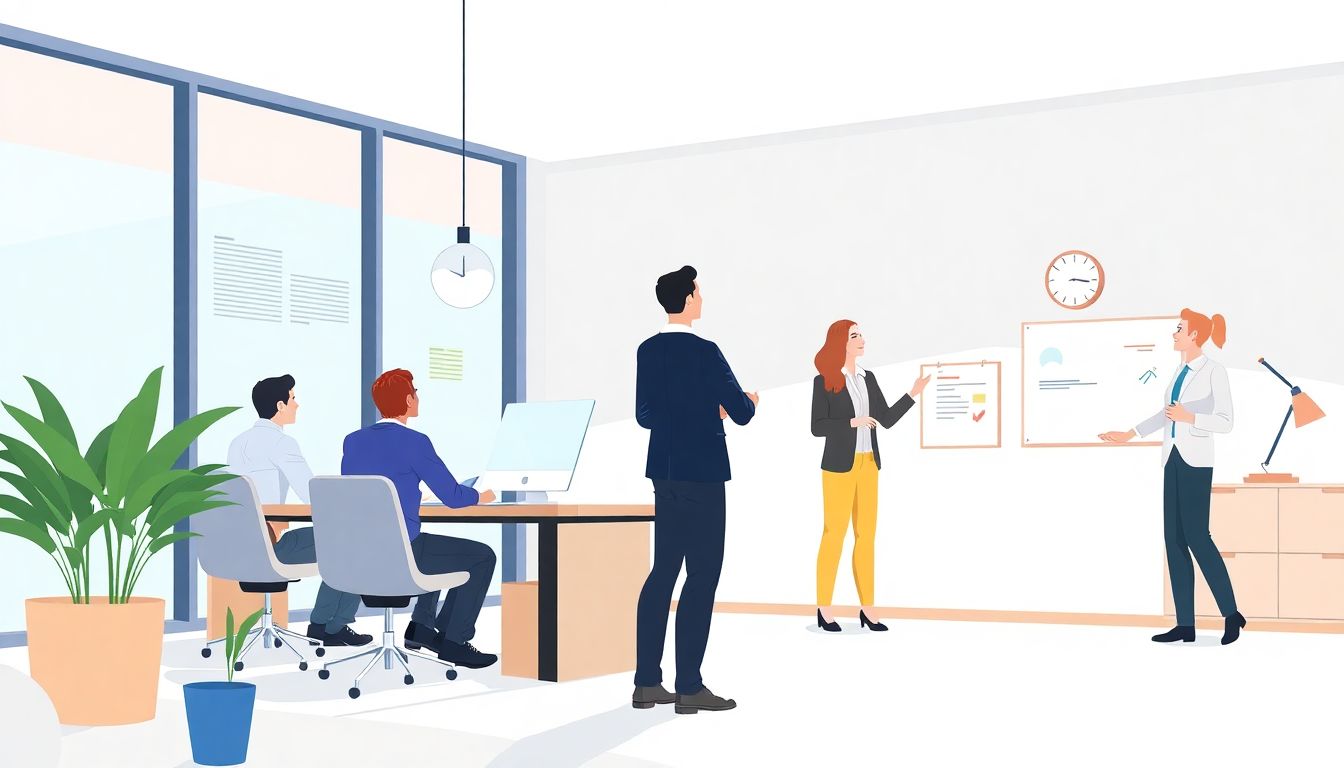
Ultimately, a hybrid approach often works best. Use time-management frameworks to structure your day while letting your energy levels guide which tasks fill those time blocks.
Identifying Your Unique Energy Patterns
To improve your day, start by identifying energy patterns unique to you. An energy diary is an easy tool. For a week, track your focus and mood every two hours.
Look for specific metrics: mental clarity, physical stamina, and emotional state. Are you most alert right after your morning coffee? Do you feel tired around mid-afternoon? Documenting these shifts will show your peak hours.
Modern professionals can enhance this process using data. Add color-coded notes to your digital calendar, or use insights from smart wearables. Analyzing this data takes away the guesswork and helps you chart your daily rhythms accurately.
Effective Energy Management Strategies to Enhance Productivity
Implementing strong energy management strategies means reorganizing your day based on your new data. The rule is simple: reserve high-focus tasks for peak energy times and assign repetitive, low-stakes work for lower-energy periods.
Besides basic scheduling, small strategies can improve your productivity. Task batching cuts down on mental fatigue from switching tasks, while staying hydrated and eating well keeps your energy steady. Add micro-exercises, like stretching between calls, to boost your stamina.
Recovery techniques are crucial too. Instead of pushing through a mid-afternoon slump with caffeine, take structured breaks. A quick 15-minute power nap, deep breathing, or a short walk can recharge your mind more effectively than staring at a screen.
Think of a well-optimized schedule: a morning block for deep work like writing or coding, followed by a nutritious lunch and some movement. Save the afternoon for lighter tasks, like replying to emails, matching your natural energy dip.
Integrating Energy Management with Tools and Data
Technology offers great help for professionals looking to improve their routines. Energy optimization tools turn feelings of fatigue into actionable data. Use calendars and site blockers to protect your peak energy times instead of just filling open slots.
Wearable devices like Oura rings or Apple Watches provide useful insights by tracking sleep quality and heart rate. Combining this data with digital screen-time trackers gives you a full view of your daily readiness.
You can also automate your environment based on this data. Set your devices to trigger Focus Mode and Do Not Disturb during your peak times. By combining wearable data with your calendar, you can let facts guide your daily planning and task choices.
How Energy Management Prevents Burnout and Enhances Work-Life Balance
Chronic stress often comes from demanding high performance from an already tired brain. By pacing yourself and planning recovery, energy management becomes a strong burnout prevention strategy.
Setting realistic boundaries based on your actual capacity helps avoid the trap of overcommitment. When you set energy-based task limits, you create realistic expectations for yourself and your team, lowering daily anxiety.
Also, aligning your toughest work with peak energy levels allows you to finish tasks quicker and more accurately. This efficiency enhances your work-life balance. Instead of dragging through late-night catch-up sessions, you can finish your workday efficiently, freeing evenings for personal time and rest.
Common Misconceptions About Energy Management
Even with its rising popularity, misconceptions about energy management remain. Some see it as a fleeting trend or think it requires expensive gadgets.
In fact, low-cost methods—like pen and paper—work well. Also, resting during low-energy times is not laziness; it’s a smart use of your valuable biological resources.
Quick 7-Day Plan to Start Managing Your Energy
Wondering how to shift from time management to energy management? Follow this simple 7-day plan. On Days 1 and 2, track your tasks and energy changes. During Days 3 and 4, map your peak energy to priority tasks and try new timings.
On Days 5 and 6, introduce micro-recovery methods and log quick data points with a habit tracker. Finally, on Day 7, review your results to set up a sustainable, energy-based weekly schedule.
Frequently Asked Questions
What distinguishes time management from energy management?
Time management schedules minutes; energy management aligns tasks with your physical, mental, and emotional energy for better quality and sustainability.
How can I identify my personal energy patterns?
Track your focus, mood, and stamina for a week using a diary or wearable data, then map your peak and low-energy times.
What quick strategies can boost energy during the workday?
Incorporate short breaks, movement, hydration, task batching, and save high-focus work for peak energy times.
Can energy management help prevent burnout?
Absolutely. By scheduling recovery, pacing work, and aligning tasks with energy levels, you can lower stress and exhaustion.
Shifting away from rigid time constraints offers a more flexible way to work. By aligning with your natural rhythms, you build a strong foundation for long-term success. Embracing these ideas is crucial in modern personal development, allowing you to perform your best while keeping your health and happiness intact.