
Master Productivity: Transform Time Management into Energy Management
Why Energy Management Trumps Time Management
Every professional has the same 24 hours each day, yet some achieve far more without burning out. What’s their secret? It’s a shift in mindset: prioritizing energy management over traditional time management.
Traditional time management treats every hour as the same, compelling us to cram tasks into rigid calendar slots, often ignoring our mental state. In contrast, energy management recognizes that our capacities fluctuate. Your ability to focus at 9:00 AM differs greatly from your cognitive state at 3:00 PM.
By aligning your work with your natural energy levels instead of the ticking clock, you unlock a more sustainable approach to productivity. This method draws on neuroscience and psychology, focusing on four key energy pillars: physical, emotional, mental, and spiritual. This article explores how syncing your workload with your biology can reduce fatigue, enhance focus, and transform your work style.
Why Shifting from Hours to Energy Matters for Professionals
Today’s work environment often fosters chronic exhaustion. Constant notifications, overlapping meetings, and the pressure of an always-on culture have pushed burnout rates to alarming heights. Professionals chase productivity, treating themselves like machines instead of humans with biological limits.
Time-centric strategies often worsen the problem. Over-scheduling leads to constant context switching, draining cognitive resources and killing momentum. Forcing high-level strategic thinking into a vacant late-afternoon hour usually produces mediocre results.
Energy management embraces our true human capacities. It shifts focus from the number of hours worked to the quality of energy brought into those hours. This pivot is crucial for today’s professionals, as it fosters resilience and allows sustained high performance without jeopardizing health.
The Neuroscience and Psychology Behind Energy: How Your Brain and Body Fuel Productivity
Our brains aren’t designed for sustained, eight-hour stretches of intense focus. Neuroscience reveals that attention spans operate in ultradian rhythms—cycles of roughly 90 to 120 minutes of peak alertness followed by essential 20-minute recovery periods. Ignoring these rhythms leads to mental fatigue, decision overload, and compromised critical thinking.
To grasp energy management fully, psychology encourages examining personal capacity through four distinct lenses. Physical energy forms your foundation, relying on adequate sleep, nutrition, and movement. Mental energy influences your ability to focus and engage in tasks. Emotional energy affects stress, resilience, and relationships. Finally, spiritual energy connects to your sense of purpose and meaning in daily work.
These energy types are intertwined. A deficit in emotional energy from a stressful morning commute will diminish your mental energy for analytical tasks. Recognizing these interactions is the first step toward creating a workday that collaborates with your brain, not against it.
Time Management vs. Energy Management: Which Approach Wins?
When comparing time management techniques with energy management, two distinct philosophies emerge. Traditional methods, like the Pomodoro technique or rigid time blocking, emphasize duration and discipline. They effectively establish boundaries and ensure administrative tasks don’t clutter your week.
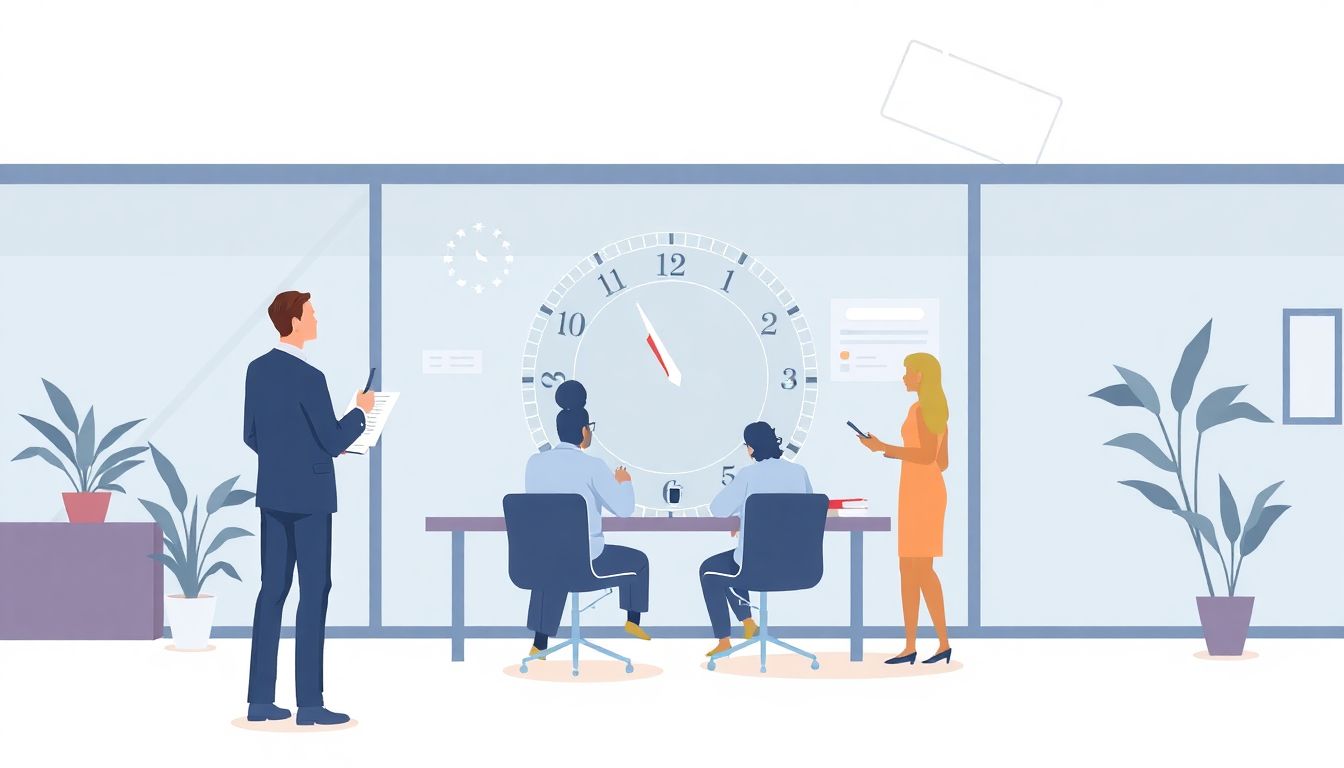
However, time management falters with cognitively demanding tasks. Here’s where energy management excels. Instead of arbitrarily scheduling a complex report from 1:00 PM to 3:00 PM, an energy-aligned schedule places that task during your peak mental clarity.
The most effective professionals merge both approaches. They use time techniques to create structure—setting limits on meetings or email processing. Then, they apply energy management to determine what fills that structure. By aligning task complexity with biological readiness, you enhance both the quality and speed of your output.
Identifying Your Peak Energy Cycles and Leveraging Circadian Rhythms
Mapping your circadian rhythms doesn’t require a lab. You can identify your biological highs and lows with a simple tracking experiment. All you need is a notebook or a basic spreadsheet to log your state throughout the workday.
Set a quiet alarm every two hours. When it rings, quickly rate your focus, alertness, and mood on a scale of 1 to 10. Note what you were working on and the effort it required. Keep it straightforward so that the tracking itself doesn’t become a burden.
After a week or two, distinct patterns will emerge. You might find your highest alertness consistently occurs at 10:00 AM, while decision fatigue sets in by 2:30 PM. These markers form the foundation for effective energy management, enabling you to leverage your natural biological cycles.
Daily Techniques to Optimize Physical, Mental, Emotional, and Spiritual Energy
To maximize your capacity, daily attention to all four energy pillars is essential. For physical energy, prioritize sleep hygiene, stay hydrated, and incorporate movement throughout your day. Even microbreaks—like standing up to stretch for two minutes every hour—can reset physical stagnation significantly.
Mental energy requires safeguarding your focus. Embrace single-tasking and establish strict deep work blocks during your energy peaks. You can still use timers, but adapt them to fit your energy management strategies. Work in uninterrupted 90-minute sprints during sharp focus periods, rather than forcing standard 25-minute intervals throughout the day.
To sustain emotional energy, manage daily friction. Set firm availability boundaries and use transition routines—like a quick walk or mindful breathing—to alleviate stress between tasks. This prevents one challenging meeting from ruining your entire afternoon.
Lastly, spiritual energy thrives on purpose. You don’t need to save the world to feel fulfilled, but you must connect your daily tasks to a larger goal. Dedicate time for meaning-driven work bursts, ensuring at least one task each day aligns with your core professional values.
Aligning Tasks with Energy Levels for Enhanced Productivity
Once you understand your natural rhythms, task prioritization becomes a matching game. The aim is to align the cognitive demands of specific tasks with your biological states. This prevents wasted effort on brilliant ideas when your brain is running low.
Create a simple energy-task matrix to categorize your workload. High-energy tasks include strategic planning, creative writing, or complex problem-solving. Low-energy tasks usually involve administration: responding to routine emails, filing reports, or organizing your digital workspace.
With your matrix ready, begin reshuffling your calendar. Protect high-energy hours for demanding tasks at all costs. Reserve low-stakes decisions and simple administrative duties for your afternoon slump. For tasks that zap your energy, look for batching, delegation, or total automation opportunities to preserve daily capacity.
Sample Energy-Based Workday Templates for Various Roles
Bringing these concepts to life requires a flexible structure. For a typical knowledge worker, a daily schedule may start with a 90-minute block of deep, solitary work right after waking. Midday, when social energy often peaks but raw focus dips, is ideal for collaborative meetings. Late afternoons can then be dedicated to low-energy administrative tasks and preparing for the next day.
Shift workers or client-facing professionals face different challenges, but the principles remain the same. Their templates rely heavily on micro-recovery breaks between client interactions to sustain emotional energy. They might structure their shifts to tackle the most demanding problem-solving tasks early on before fatigue sets in.
Ultimately, there’s no one-size-fits-all perfect schedule. Utilizing daily productivity templates allows for experimentation. The key is adapting the structure to fit your unique biological profile and role requirements.
How Energy Management Prevents Burnout and Promotes Work-Life Balance
Burnout rarely stems from excessive hours; typically, it results from expending energy without sufficient recovery. Effective energy management integrates recovery cycles into your daily routine. By respecting limits and establishing firm boundaries, you avoid borrowing from tomorrow’s vitality to finish today’s tasks.
Recognizing chronic energy depletion signs—such as lingering cynicism, consistent brain fog, or lack of motivation—is crucial. When these symptoms arise, burnout prevention tips recommend stepping back to evaluate which energy pillar needs attention.
Long-term well-being requires viewing downtime not as a reward but as a necessity. Consistent energy management fosters sustainable work-life balance strategies, allowing you to leave work with enough energy to truly enjoy your personal life.
7-Day Plan to Transition from Time to Energy Management
Shifting from a clock-watching mindset takes practice. A straightforward 7-day plan can help you cultivate the necessary habits without overwhelming your current schedule. Use this structured experiment for a smooth transition.
- Days 1 to 3: Focus solely on observation. Track your energy levels, mood, and focus every two hours. Do not attempt to change your schedule yet; gather data to identify peak periods.
- Day 4: Review your data and categorize your tasks. Sort your upcoming workload into high, medium, and low-energy buckets.
- Days 5 to 7: Implement a trial schedule. Move demanding tasks to your identified biological peaks. Measure success using simple metrics: track uninterrupted focus hours, rate your end-of-day energy score, and note your overall task completion rate.
View this first week as a baseline. Energy management implementation involves iteration. Continuously refine your approach as you gain insights into your psychological triggers and neurological limits.
Start Managing Energy Today to Boost Productivity and Prevent Burnout
Shifting from time management to energy management opens the door to escaping the modern cycle of exhaustion. While time is a finite resource, human energy is renewable and expandable. By aligning your daily tasks with your physical, mental, emotional, and spiritual rhythms, you create a sustainable framework for your career. This biological approach to productivity enables you to consistently excel while preserving the vitality needed for a fulfilling life outside of work.
Frequently Asked Questions
What are the key differences between time management and energy management?
Time management schedules hours; energy management aligns work with physical, mental, emotional, and spiritual energy, enhancing focus and reducing burnout.
How can I identify my peak energy periods during the day?
Track your alertness, focus, and mood for 1–2 weeks using a quick journal or app to identify recurring high and low-energy windows.
What quick techniques can boost energy for demanding tasks?
Take a short movement break, hydrate, engage in a 10–20 minute deep-work block during a peak, and eliminate distractions to maximize that energy window.
Can energy management help in preventing burnout?
Yes—by aligning work with natural energy cycles, enforcing recovery rituals, and minimizing chronic overextension, energy management effectively reduces burnout risk.